The Life After the Plug: Why What We Do With Old Electronics Matters
- reneezhang81
- Jan 16
- 2 min read
When an electronic device stops working—or is simply replaced—it feels like the end of its story. The screen goes dark, the charger is unplugged, and the device disappears into a drawer or trash bin. But in reality, that moment is only the beginning of a much larger environmental story—one that has serious consequences if ignored.
Electronics Don’t Disappear
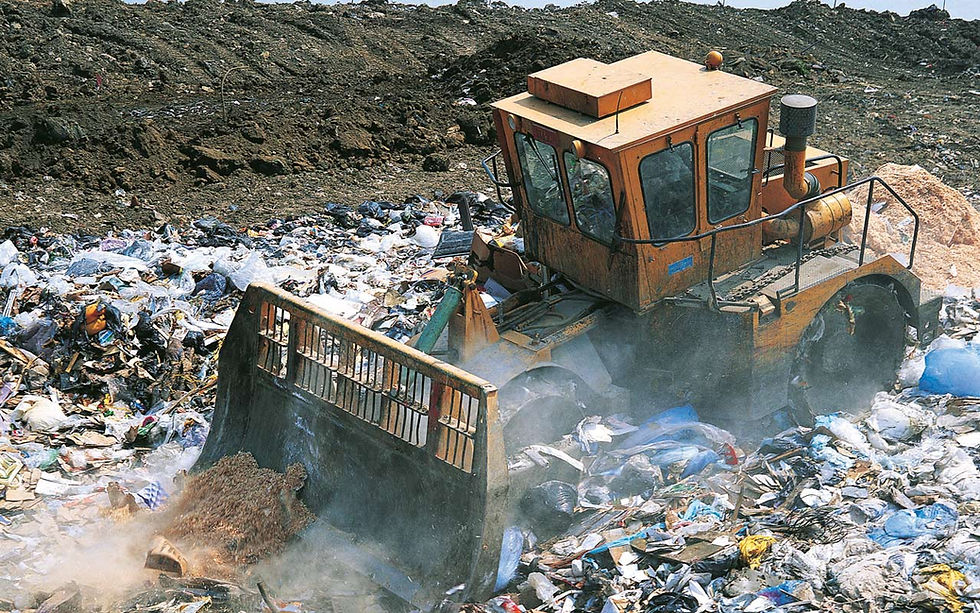
Unlike food scraps or paper, electronics don’t break down safely in landfills. Phones, laptops, and batteries contain heavy metals and toxic chemicals that can seep into soil and groundwater over time. What seems like a single discarded device can contribute to long-term pollution that affects entire communities.

A Problem Hidden in Plain Sight
E-waste is easy to overlook because it blends into everyday life. Everyone owns electronics, upgrades are normalized, and disposal instructions are often unclear. This invisibility makes e-waste one of the fastest-growing waste streams in the world—and one of the least addressed. When responsibility is unclear, inaction becomes the default.
Community-Based Solutions Make the Difference
The most effective sustainability solutions are often local. When communities are given accessible ways to recycle electronics—drop-off bins, clear instructions, and education—participation increases dramatically. These small, collective actions prevent harmful materials from entering landfills and redirect them into safer recycling systems.
Education Turns Confusion Into Action
Many people want to recycle responsibly; they just don’t know how. Education transforms uncertainty into empowerment. When individuals understand why e-waste is dangerous and how simple proper disposal can be, sustainability becomes less overwhelming and more achievable.
Redefining Responsibility in a Digital Age
Living sustainably doesn’t mean rejecting technology. It means taking responsibility for the full lifecycle of what we use—from purchase to disposal. Choosing to recycle electronics is a quiet but powerful act of stewardship, one that acknowledges progress shouldn’t come at the planet’s expense.
Moving Forward
The future of sustainability depends on everyday choices. When we rethink how we treat old electronics, we shift from a culture of convenience to one of care. The next time a device reaches the end of its use, the question isn’t just what’s next for me?—it’s what’s next for the planet?


Comments