Out of Sight Is Not Out of Impact: Why E-Waste Is the Sustainability Crisis We Ignore
- reneezhang81
- Jan 10
- 2 min read
Old phones tucked into desk drawers. Broken chargers tossed into the trash. Laptops replaced long before they stop working. Electronic waste—e-waste—is one of the fastest-growing waste streams in the world, yet it remains one of the least understood. Because it’s small, familiar, and easy to discard, e-waste often slips through the cracks of sustainability conversations. But its impact is anything but small.
When Convenience Becomes Contamination
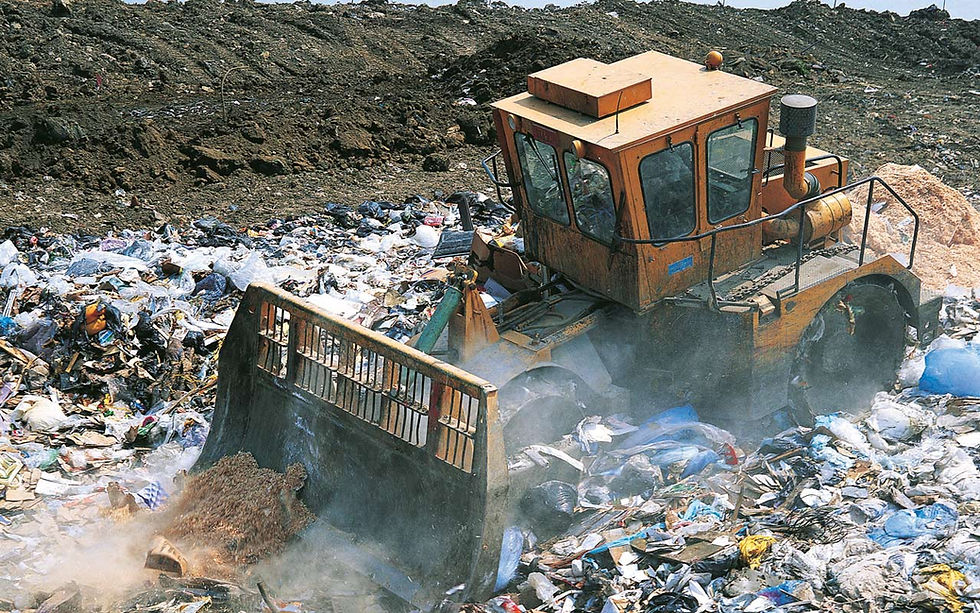
Electronics contain toxic materials like lead, mercury, and lithium-ion batteries. When improperly disposed of, these substances can leach into soil and water systems, posing serious risks to both environmental and human health. What looks like a harmless phone upgrade can quietly contribute to polluted waterways, unsafe landfills, and long-term ecological damage.
The Hidden Cost of “Upgrading”
E-waste also reflects a deeper issue: a culture of disposability. Rapid innovation and marketing cycles encourage constant upgrading, while systems for responsible disposal lag behind. The result is a growing pile of devices that still hold value—both in reusable materials and in their potential to be repaired, refurbished, or recycled.
Small Actions, Collective Impact
The good news is that e-waste is one of the most preventable environmental problems. Responsible recycling, battery drop-offs, and community collection programs can divert harmful materials away from landfills and back into safer processing systems. When individuals are given clear, accessible options, participation increases—and impact follows.

Education as a Catalyst for Change
Many people want to do the right thing; they just don’t know how. Education bridges that gap. By explaining what e-waste is, why it matters, and how to dispose of electronics properly, communities can transform passive awareness into meaningful action. Sustainability doesn’t always start with sweeping policy—it often starts with knowing where to put an old charger.
Rethinking Our Relationship With Technology
E-waste challenges us to rethink how we consume technology. Do we replace devices out of necessity, or habit? Can we extend a product’s life before discarding it? Sustainable change isn’t about rejecting innovation—it’s about using it responsibly.
Looking Ahead
Addressing e-waste isn’t just about recycling electronics; it’s about redefining responsibility in a digital age. When communities come together to create accessible solutions, sustainability becomes practical, local, and achievable. The devices we rely on every day shouldn’t cost the planet its future—and with intentional action, they don’t have to.


Comments